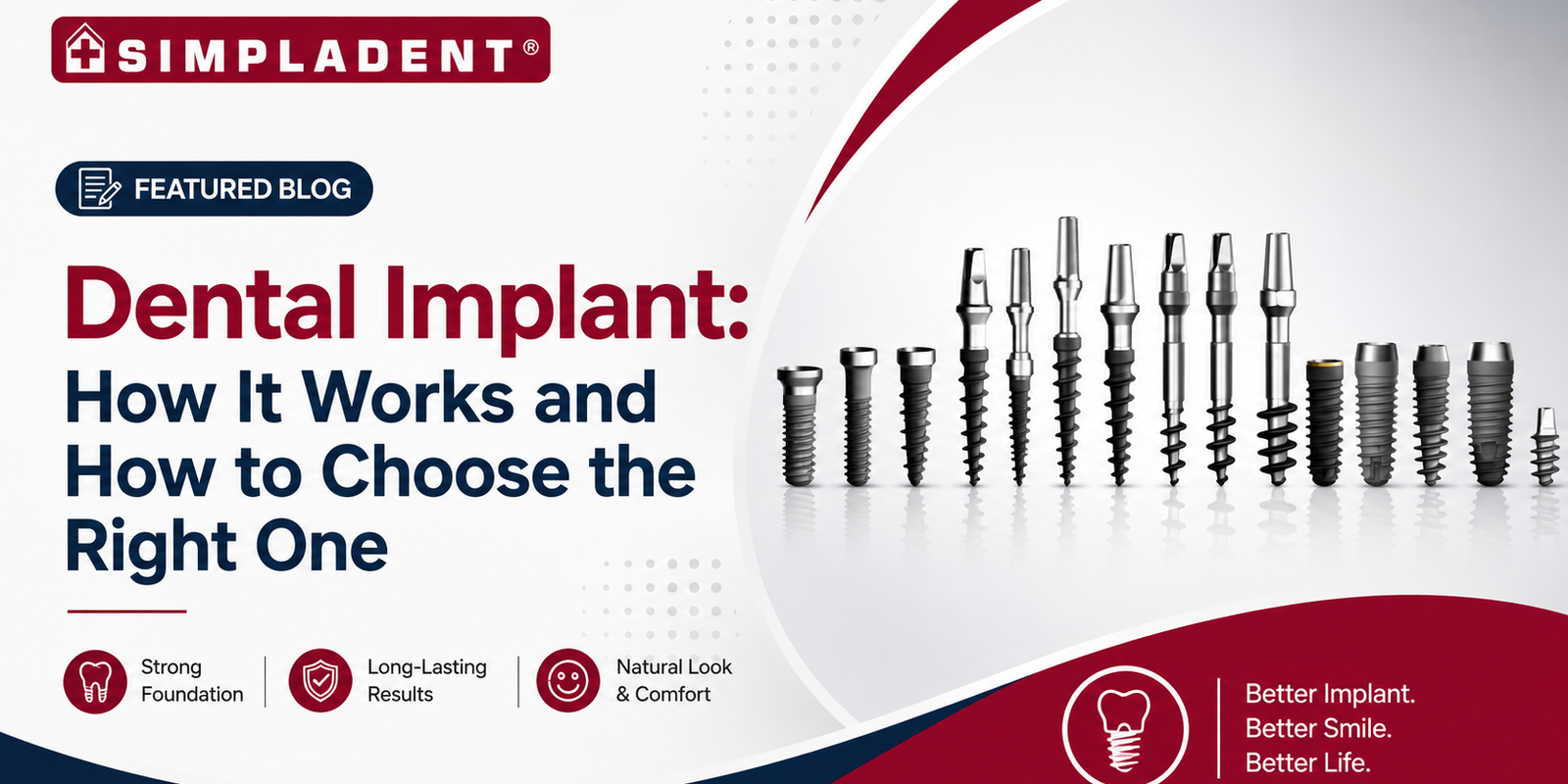
Best Dental Implants A dental implant is a small titanium or zirconium post that replaces the root of a missing tooth. Placed into the jaw, it slowly bonds with the surrounding bone — a process called osseointegration — and later carries a crown, bridge, or a full set of teeth. When the planning is done well, the result can look and work much like a natural tooth. This guide walks through how implants function, the main types, and how the right option is decided for a given case.
What a Dental Implant is
Picture an implant as an artificial root. The post sits inside the jawbone, a connector called an abutment attaches to it, and a crown completes the tooth above the gum. Titanium is the usual material because the body tolerates it well and bone grows directly against it. That biological bond is what gives a settled implant its stability — it is anchored, not resting loosely on the gum.
Implants aren’t only for single teeth. They can steady a loose denture, hold a bridge, or serve as temporary anchor points that guide tooth movement in orthodontics.
Types of Dental Implants
Two categories existed historically: endosteal implants placed within the bone, and subperiosteal implants that sat above it. Endosteal designs are standard today because they integrate more predictably, and subperiosteal implants have largely been retired.
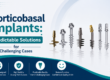
Modern implantology has also widened the options for patients with limited bone. Corticobasal® implants, part of the Strategic Implant® approach developed through the International Implant Foundation (IF), Munich, engage the dense cortical layers of the jaw. In selected cases this may allow rehabilitation without extensive grafting — a decision that always depends on diagnostic imaging and clinical evaluation.
What “Full Dental Implants” Means
Full dental implants describes replacing a whole arch of teeth, upper or lower, on a set of implants rather than one tooth at a time. Instead of an implant for every gap, a planned number of implants supports a fixed bridge across the jaw. For someone who has lost most or all of their teeth to decay or gum disease, this can restore chewing and appearance far more securely than a removable denture. How many implants are needed, and whether teeth can be fixed early, is judged case by case after imaging.
Choosing the Best Dental Implant for Your Situation
People often search for the Best Dental Implants, but no single implant is best for everyone. The right choice depends on how much bone is present, its density, your general health, the number of teeth being replaced, and the prosthesis planned on top. A patient with strong bone and one missing tooth has very different needs from someone with an atrophic jaw seeking full-arch treatment.
So the useful question isn’t which brand wins, but which system and protocol are matched to your case after a proper clinical and radiographic assessment. A consultation-first approach — imaging, bone evaluation, and a written plan — is what separates a durable result from a rushed one.
What the Procedure Involves
Treatment usually starts with a consultation and imaging (X-rays or a CT scan) to check bone quality and volume. If a tooth still sits at the site, it may need removing first. Depending on the bone available, some cases allow placement soon after extraction, while others need a healing gap in between.
The implant is placed under local anesthesia, so the procedure itself is not felt. Mild soreness or swelling afterward is common and is usually managed with cold compresses and standard pain relief, as directed by your surgeon. Integration can take a few weeks to several months before the final crown or bridge is fitted. Timelines vary, and follow-up visits confirm healing is on track.
Frequently Asked Questions
Does Getting a Dental Implant Hurt?
Placement is done under local anesthesia, so pain during surgery isn’t expected. Some soreness afterward is normal and usually settles with routine pain relief. Your surgeon will give personalized aftercare.
Am I Suitable for a Dental Implant?
Many people are, but suitability is confirmed only after clinical examination and imaging. Bone volume, gum health, and medical conditions all matter.
Can I get fixed teeth if I have very little bone?
In selected cases, advanced protocols such as Corticobasal® implants may allow treatment with reduced bone support and without extensive grafting — subject to diagnostic imaging and clinical evaluation.
How long do implants last?
Implants can be a stable, long-term option, but longevity depends on hygiene, bone volume, prosthetic design, and overall health.
Keep yourself updated following our Social Page for the latest news and information.